ARSHVIR S
KALSI
KALSI
I build high-throughput web architectures & AI systems engineered to stay rock-solid under heavy real-world load.


I build high-throughput web architectures & AI systems engineered to stay rock-solid under heavy real-world load.
My code needs to work when it counts. It should be fast, reliable, and able to handle real traffic without breaking down in the middle of the night.
Fast code isn't enough if the user interface feels clunky. I care deeply about smooth animations, clean typography, and responsive design. To me, design and engineering go hand in hand.
I prefer writing my own clean, straightforward code over adding massive third-party libraries whenever possible. Unnecessary complexity just slows everyone down.

Advanced Performance & Execution
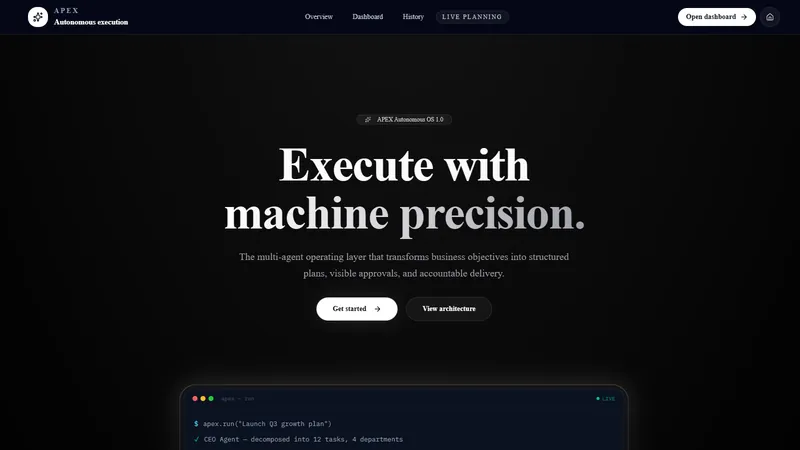
I built this because I was tired of performance tools that create more overhead than they measure. It's an enterprise-grade performance monitoring and execution platform for scalable architectures.
This was the project that taught me the difference between writing code and engineering systems.
Tracking microsecond-level performance spikes in high-throughput cloud environments without introducing measurement overhead.
Designed a zero-dependency async tracer in TypeScript and Python using eBPF hooks and lightweight Ring Buffers to collect metrics out-of-band.
Chose custom binary event streaming over JSON payloads, saving 80% network bandwidth but increasing the complexity of client-side ingestion logic.


// Advanced Performance & Execution
I built this because I was tired of performance tools that create more overhead than they measure. It's an enterprise-grade performance monitoring and execution platform for scalable architectures.
Tracking microsecond-level performance spikes in high-throughput cloud environments without introducing measurement overhead.
Designed a zero-dependency async tracer in TypeScript and Python using eBPF hooks and lightweight Ring Buffers to collect metrics out-of-band.
Chose custom binary event streaming over JSON payloads, saving 80% network bandwidth but increasing the complexity of client-side ingestion logic.

// Real-time aviation data tracking
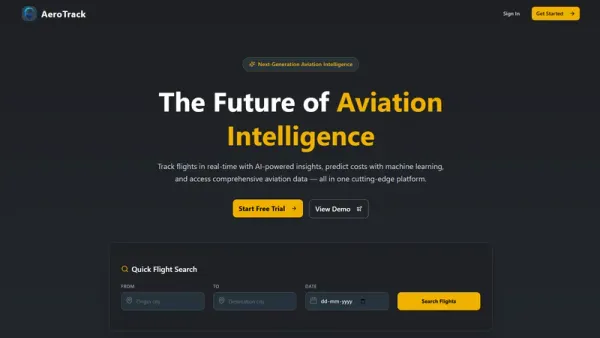
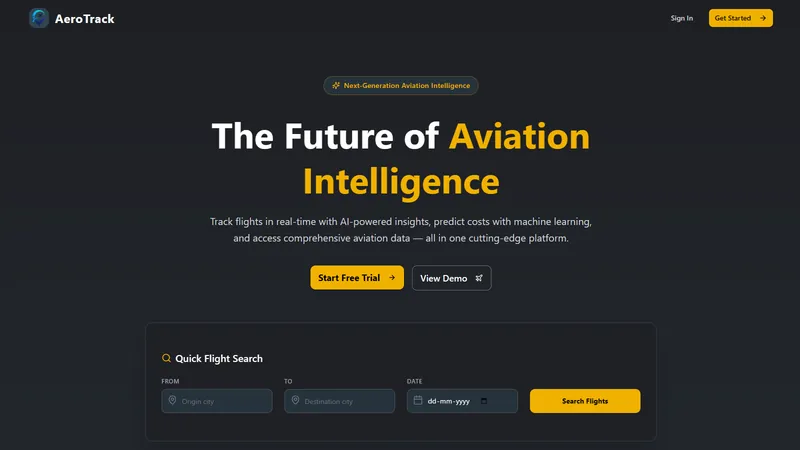
Aviation data is dense and messy. I wanted to build flight tracking, route analytics, and operational metrics specifically for high-density data visualization without dropping frames.
Rendering thousands of active, real-time flight vectors smoothly on a web map without freezing the browser's UI thread during high-density updates.
Implemented a custom WebGL map layer combined with an offscreen Canvas worker to offload calculation and rendering pipelines from the main thread.
Opted for canvas tiling instead of dynamic vector recalculation, lowering CPU utilization by 60% at the cost of slight rendering delays during fast zooms.

// Developer collaboration and resource center
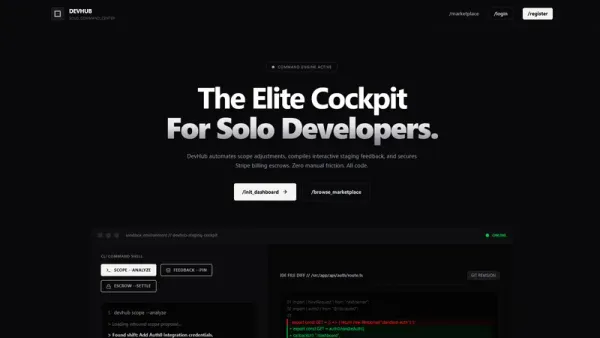
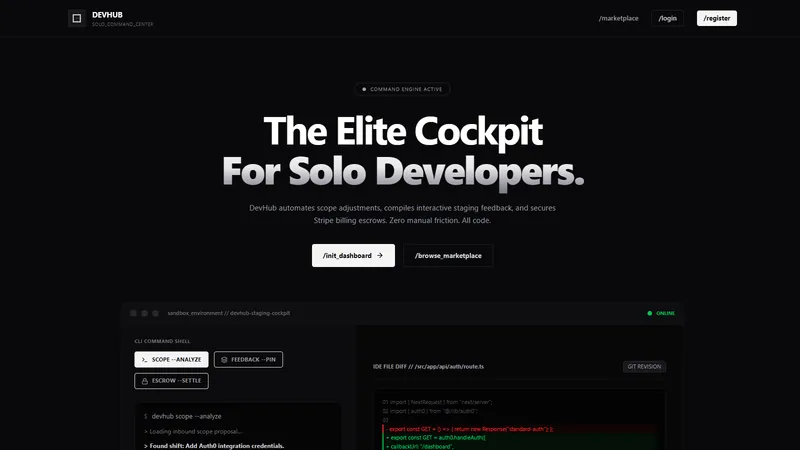
A developer collaboration center for course creation, progress tracking, and strict role-based access for students and instructors. Built to handle rapid concurrent usage.
Enforcing strict role-based access control (RBAC) and progress tracking on highly dynamic multi-tenant courses without hitting database bottlenecks.
Built a reactive edge middleware using Next.js Middleware and Redis to cache access tokens and course status, validating permission in under 15ms.
Used eventual consistency for non-critical analytics tracking (e.g. video watch progress) to keep DB writes extremely light, accepting a 2-second UI sync delay.

// Biometric security and facial recognition
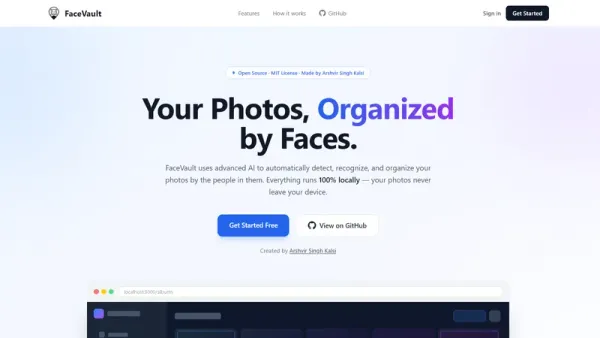
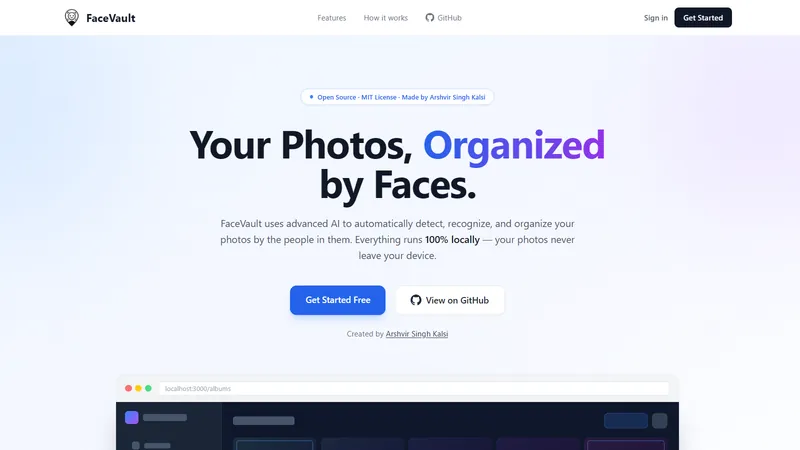
I built a three-layer AI intelligence system combining perception, reasoning, and response generation into a unified pipeline for biometric security and facial recognition.
Balancing high facial matching accuracy with near-instant query speed across millions of vector embeddings.
Designed a hierarchical index search using FAISS (Facebook AI Similarity Search) and wrapped it in a multi-stage Python pipeline running FastAPI.
Truncated precision vectors to 512 dimensions, accepting a minor (0.01%) accuracy drop to achieve sub-10ms response times.


RAG pipelines, multi-agent systems, LangGraph orchestrations. Production deployments built for scale and reliability, not just demos.
Most recently: Built a hierarchical vector search pipeline for FaceVault returning matches in under 10ms.
High-performance applications with auth, payments, and real-time sync. Shipped with precision in weeks, not quarters.
Most recently: Architected DevHub with edge-cached RBAC to validate permissions in under 15ms.
FastAPI services, scheduled jobs, and third-party integrations. Clean contracts, strict typing, and real observability.
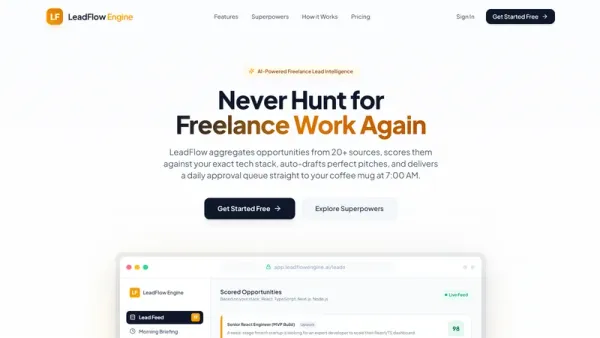
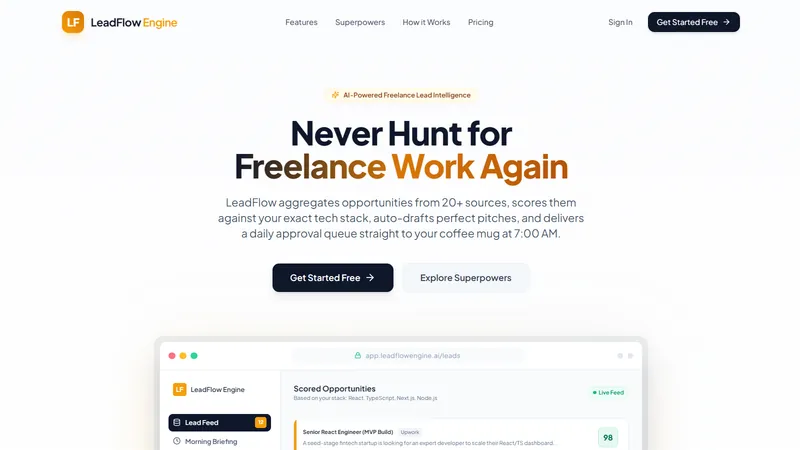
Most recently: Set up BullMQ worker pools for LeadFlow to process thousands of concurrent webhook spikes.
Complex data visualization, interactive tables, and role-based access control. Built to be used daily by operators.
Most recently: Created an offscreen Canvas worker map layer for AeroTrack to render thousands of real-time flights.

I started out hacking together quick MERN STACK projects and racing deadlines in competitive HACKATHONS. That's where I learned to move FAST. But as the systems grew, 'fast' wasn't enough ANYMORE.
I realized that a brilliant BACKEND is useless if the FRONTEND stutters, and a gorgeous UI is a liability if the DATABASE locks up. That's why I stopped building MVPs and started engineering FULL-STACK systems.
From zero-latency eBPF tracers to cinematic WebGL interfaces, I now build for SCALE, SPEED, and uncompromising AESTHETICS.
Worked across databases, data visualization with Python and Power BI, UI/UX design, and React development. Built web applications, designed database schemas, and crafted dynamic interfaces — from Figma prototypes to production-ready React.js components.
This is where I learned that the gap between a working prototype and a production system is about 10x the effort.
Pursuing a Bachelor of Engineering in Computer Engineering. Actively applying coursework to real-world projects spanning AI/LLM pipelines, full-stack systems, and hackathon-grade builds.
Theory without application is just trivia. I treat every assignment as a chance to engineer a real system.
Built a strong foundation in computer engineering fundamentals while developing practical skills across the MERN stack and graphic design. Graduated with hands-on project experience bridging design and development.
This is where I fell in love with the terminal and realized design isn't just how it looks, but how it works.